Resources

Sleep, nutrition, and recovery. How they connect.

What you eat and when you eat it affects how well you sleep. What you sleep determines how well your body uses what you ate. The loop is tighter than most people realize.

Timing Matters

Eating large meals close to sleep suppresses melatonin release and disrupts sleep onset. The body's digestive processes compete with sleep-onset mechanisms, making quality rest harder to achieve.

Hydration and Rest

Mild dehydration affects sleep quality more than many people expect. Cramps, elevated heart rate, and restlessness are all connected to fluid balance. Hydration is part of sleep preparation.

Micronutrients

Magnesium, zinc, and B vitamins each play roles in the neurological processes that govern sleep. Deficiencies can show up as light sleep, frequent waking, or difficulty falling asleep in the first place.

Stimulants and Sleep Debt

Caffeine's half-life in the body is longer than most people account for. Consuming it in the afternoon affects sleep architecture even when a person falls asleep without difficulty, reducing deep sleep stages.

In Depth

Recovery nutrition. What the body needs while it sleeps.

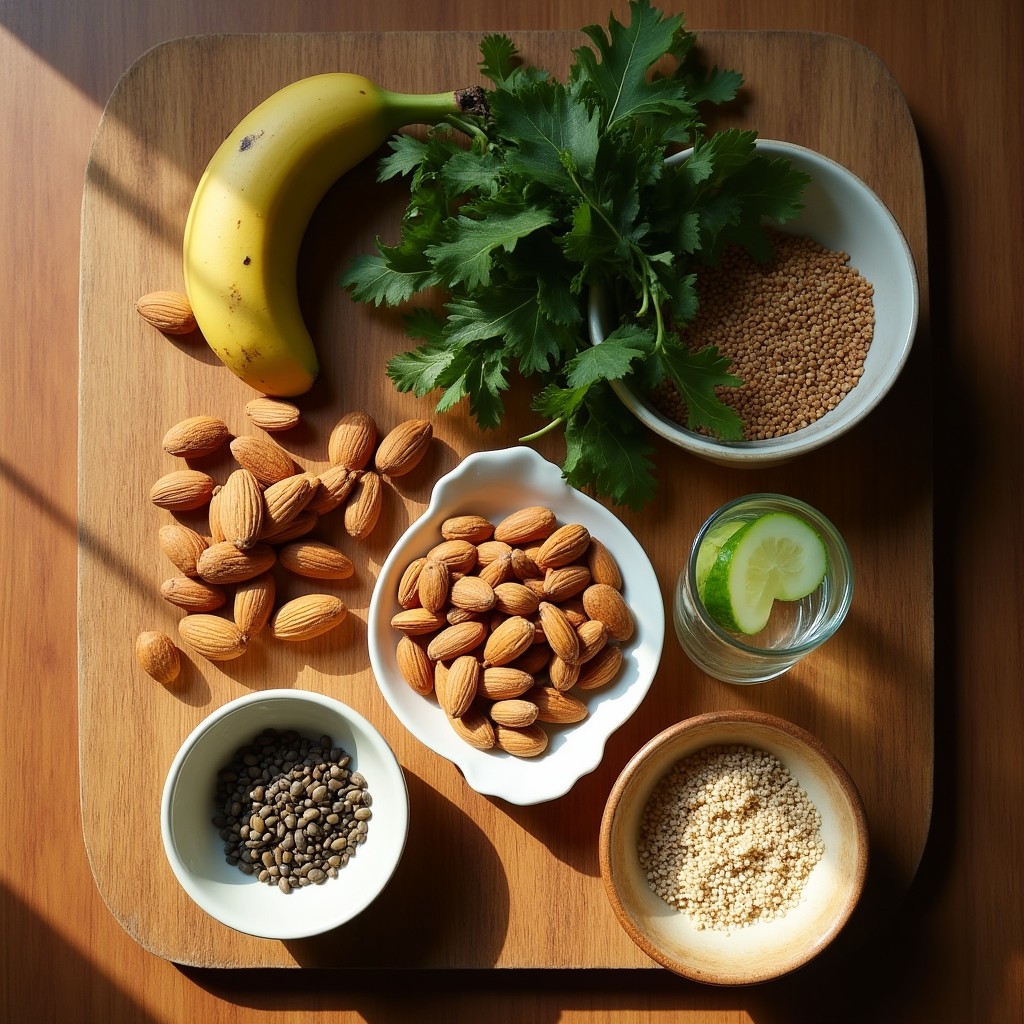
Array of recovery-supporting foods including nuts, leafy greens, and whole grains on a wooden surface

Protein before bed. What the research says.

Slow-digesting protein consumed before sleep has been studied in the context of overnight muscle protein synthesis. The body continues to process amino acids during rest, and providing a substrate during that window is an area of active research in sports nutrition.

The practical implication is not that everyone needs a pre-sleep protein shake, but that the overnight fasting period is not nutritionally neutral, particularly for people engaged in regular physical training.


Clock surrounded by healthy food items representing the relationship between circadian rhythm and meal timing

Eating in sync with your body clock

Circadian rhythms govern more than sleep timing. They also influence metabolism, insulin sensitivity, and digestive enzyme production. Eating patterns that align with these rhythms tend to support better overnight rest and more consistent energy patterns during waking hours.

This does not require rigid meal scheduling. It does suggest that irregular eating patterns, especially late-night caloric intake, can create friction with the body's natural rest-onset processes.

Conceptual image showing a human silhouette at night with metabolic activity visualization and soft blue lighting

How sleep deprivation changes what you crave

Insufficient sleep alters hormonal signals that govern hunger. Ghrelin, which stimulates appetite, increases. Leptin, which signals fullness, decreases. The result is a predictable shift toward higher-calorie food choices the day after poor sleep.

This is not a matter of willpower. It is a physiological response to a deficit. Understanding the mechanism makes it easier to recognize the pattern without judgment.

Key Takeaway

Rest and nutrition are a system. Optimizing one without the other leaves results on the table.

Physical performance depends on both the inputs you provide and the recovery environment you create. Sleep is that environment. What you eat shapes how productive that environment can be.

Questions?

Want to know more about a specific topic? Reach out and we'll point you in the right direction.

We do not provide personalized health advice, but we can help you find the right educational resources.

Get in Touch

Educational inquiries welcome.